Introduction
A flat concrete slab drainage allows for water pooling and moisture absorption. A slight angle ensures water moves away from the structure. For a worry-free outdoor space, install drainage systems, ensure proper slope, seal cracks and joints and apply sealants to form a waterproof barrier. Homeowners should understand the types of soil best suited for their landscaping and must use gravel around the concrete slabs. Regularly checking the concrete slabs for cracks or erosion, resealing and cleaning the drains ensures a sturdy foundation and a healthy living environment.
Concrete Slab Drainage Fixes to Protect Your Foundations
Do you know that overlooking your yard’s slope can result in foundational damage? A drainage system unsuitable for your soil type can cause costly structural damage. Concrete may be durable, but it is not permeable. Runoff can cause erosion, mold and mildew issues, cracking, and foundational damage. If you are tired of pooling water after heavy rain, we have compiled a guide below to help you create a sturdy, healthy outdoor space.
| Fast FactThe floor drainage systems market size is expected to reach $5.2 billion by 2033, at a CAGR of 5%, up from $3.5 billion in 2024. |
Read below for concrete slab drainage solutions every homeowner should know.
- Install Proper Drainage Systems
Clogged drains or a lack of a drainage system can result in pooling water and runoff problems. Installing a proper drainage system for driveways, walkways and patios controls water runoff. Whether you choose French drains, trench drains or install catch basins, regular maintenance ensures a dry and safe structure.
- Ensure Proper Slope
A slight slope is necessary to drain water away from your property. If you have minor slope issues, you can use a leveling compound or a thin topping layer to solve the problem.
| Did you know?A ¼ inch drop per foot of slab length is generally accepted as right but in hot, dry climates, ⅛ inch per foot (1% slope) and a steeper ⅜ inch per foot for wet climates is required. |
- Seal Cracks
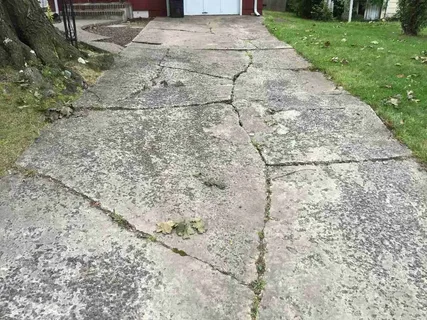
Cracks can appear over time, especially after freeze-thaw cycles and ignoring them can result in bigger future problems. Use high-quality sealants or a patching compound to protect your structure. Install expansion joints to prevent further deterioration.
- Install Gravel Around Concrete Slabs
Installing gravel around concrete slabs or pavers can help water absorb into the ground. This not only prevents erosion but also helps improve your outdoor aesthetics.
- Waterproof any Gaps
Apply high-quality sealants in any gaps between the concrete slabs and your home to ensure a water-tight seal. Regularly inspect your surfaces and reapply if you notice any gaps to prevent water seepage and foundational damage.
- Understand the Soil Type
Understanding your soil type can help you select the right soil type for your property. A sandy soil drains quickly but can cause erosion, while clay can lead to water pooling issues. Loamy soil is the most versatile type, combining silt, clay, and sand to form a well-draining option.
How Poor Concrete Slab Drainage Impacts Indoor Spaces
Poor concrete slab drainage does not only affect outdoor surfaces; it can directly impact indoor living conditions as well. When water accumulates beneath a slab, moisture can migrate upward through capillary action, leading to damp flooring, increased humidity, and unpleasant odors inside the home. Over time, this trapped moisture creates an ideal environment for mold and mildew growth, which can affect indoor air quality and trigger health concerns. Proper drainage beneath and around the slab helps regulate moisture levels, protecting interior finishes and maintaining a healthier indoor environment.
Long-Term Benefits of Investing in Concrete Slab Drainage
Investing in effective concrete slab drainage provides long-term protection for both the structure and the surrounding landscape. Proper drainage reduces hydrostatic pressure on the slab, minimizes soil movement, and lowers the likelihood of cracking or settlement. It also helps preserve landscaping by preventing soil erosion and water damage near walkways and patios. Over time, well-managed drainage systems reduce repair costs, extend the lifespan of the concrete slab, and provide homeowners with peace of mind during heavy rainfall or seasonal weather changes.
| Important factThe permeable concrete for drainage market is expected to reach $51.5 million by 2034 at a CAGR of 7%. |
Conclusion
Understanding your region’s climate and your soil type is essential when considering concrete slab drainage solutions. Improving the landscaping and sloping the soil away from your structure ensures proper drainage and reduced water pooling. Inspect your surface regularly and apply sealants to maintain the protective capacity of your concrete slab. Following the solutions we have mentioned above can result in an extended lifespan of your structure and a healthy living environment.
FAQs
Why do I need drainage under concrete slab?
Sub slab drainage controls moisture levels and reduce the risks of interior damage. You can boost indoor air quality and prevent foundation damage with proper drainage.
How can I improve drainage on concrete slabs?
By using porous materials or gravel (4 to 6 inch bed underneath), you can prevent water pooling and help water absorb in the ground.
What should be put between the concrete slab and the house?
Caulk the area with a water resistant polymer to form a water tight seal around the concrete slab.